Tuesday, January 29, 2013

Flu-fighting foods!


It’s winter, the flu season. It’s the time of year when sickness strikes, causing missed days at work and school. With winter upon us, it’s time to boost our immune system and fight against flu. In addition to getting enough rest and sleep, and engaging in a daily moderate physical activity, some foods with their nutrient and vitamin content can boost our immune system and prevent us from getting sick.
Here are some key nutrients and foods that will help you fly through the winter season in good health without flu! 

Yogurt contains probiotic microorganisms which stimulate the immune system and increase the acidity of the gut so undesirable bacteria can’t grow.

Garlic, onions, and leeks can stink out sickness due to the phytochemicals and antimicrobial compounds they contain. 


Carrot, pumpkin, sweet potato, and other orange foods that are high in vitamin A and beta-carotene, play an important role in immune defense. As a maker of infection-fighting white blood cells, vitamin A plays a crucial role in fighting off infections.


Mushrooms contain selenium, which helps white blood cells produce cytokines that clear sickness, and beta glucan which is an antimicrobial type of fiber.

Sunflower Seeds, almonds, peanut butter, and other vitamin E containing foods have an antioxidant and anti-inflammatory role.


Strawberries, oranges, lemons, and other vitamin C rich foods can reduce the duration and severity of cold and flu.


Don’t forget to stay warm and drink lots of water to keep your body hydrated and compensate for the flu losses.

Have a healthy winter!
Dietitian Dina Moghraby.

Thursday, April 26, 2012

Cellulite: A Woman's Biggest Fear!

The majority of women — at least 8 out of 10 — have some degree

 of cellulite.

Definition

Cellulite refers to the appearance of dimpled skin on the thighs, hips, buttocks and abdomen of most women and some men, too. Cellulite is most common in areas of fat deposits and is the result of the unevenness of this fatty tissue beneath the skin surface. It is not a serious medical condition, but cellulite can be unsightly, and it may make you self-conscious when wearing shorts or a swimming suit.  


Symptoms
Cellulite looks like dimpled or bumpy skin. It's sometimes described as skin with a cottage cheese texture.  Cellulite is most common around the thighs and buttocks, but it can be found on the breasts, lower abdomen and upper arms as well.
Cellulite ranges in severity: 

  • Mild cases can be seen only when the skin is pinched. 
  • More-severe cases make the skin appear rumpled and bumpy. 

Causes

Cellulite is caused by fibrous connective cords that tether the skin to the underlying muscle, with the fat lying between. As the fat cells accumulate, they push up against the skin, while the long, tough cords are pulling down. This creates an uneven surface or dimpling.


Factors That Increase The Risk of Having Cellulite 
  1. Weight gain can make cellulite more noticeable, but cellulite may still be present in lean individuals
  2. Genetics may play the biggest role in whether you develop cellulite.
  3. Stress
  4. An inactive lifestyle
  5. Using hormonal contraceptives
  6. Consuming too much caffeine
  7. Wearing tight clothes that reduce lymphatic circulation

Treatments

  1. Weight loss: 

    Losing weight and strengthening muscles in your legs, thighs, buttocks and abdomen can improve the appearance of the dimpled skin. The benefits of weight loss alone are limited, however. Though the cellulite may be less noticeable after weight loss, it won't go away completely.
  2. Lasers and radio frequency systems: 
    They offer improvements to cellulite after a series of treatments. Results
    may last up to six months
    .
  3. Liposuction:

    Though liposuction can shape the body, it won't remove cellulite, and it may make the cellulite appear worse. Laser-assisted liposuction is a newer, less invasive form of this treatment that destroys fat cells while tightening the skin, and may be a more effective treatment for cellulite.
  4. Topical treatment: 

    A twice daily application of 0.3% retinol cream has been shown to improve the appearance of cellulite after six months.
  5. Vigorous massage: 
    Some cellulite treatments are based on the concept that vigorous massage will increase blood flow, remove toxins and reduce excess fluid in cellulite-prone areas.You may notice a slight improvement to your skin after this treatment, but the results are typically short-lived. 
  6. Mesotherapy:

    This procedure involves injecting a solution — which may contain a combination of aminophylline, hormones, enzymes, herbal extracts, vitamins and minerals — under the skin. This treatment can cause several unwanted effects, including infection, rashes, and bumpy or uneven skin contours. 
  7. Cellulite creams: 

    In some cases, the ingredients in these products cause skin reactions or rashes.


The Anti-Cellulite Diet

Focus on a diet that focuses on a balance between the following groups: proteins, carbohydrates, fat and vegetables. 

Follow a healthy diet that includes all food groups with emphasis on portion control. As your diet becomes more complicated, your rate of compliance will decrease. 

Here are some good food items from each group:

Protein: salmon, tofu, oysters, white chicken, non-fat white cheeses.

Carbohydrates: black beans, chick peas, lentils.

Fat: flax seeds, macadamia oil, olive oil, Brazil nuts.

Vegetables: kale, chard, endives, red leaf lettuce.


And don't forget to EXERCISE!!! 


Tuesday, April 17, 2012

Natural Homemade Remedies for Wrinkles


Loosening of the skin results in WRINKLES all over the face because with age the skin loses its elasticity and moisture. Also, exposing the skin to the sun for long periods of time results in wrinkles as well, and this can be found on some young people's faces.

Here are some natural home-made easy tips and facts that help reduce wrinkles:

  • Massage the face with coconut oil before going to bed.


  • Focus on foods rich in B complex vitamins such as eggs, beef, chicken and whole wheat grain products.
Foods rich in B vitamins
  • Vitamins A, C and E are potent antioxidants and they give the skin a healthy look.

  • Eat foods rich in Calcium and Zinc. Both minerals help clear the skin. Zinc is found in oysters, turkey, seafood, eggs and milk. Calcium is found in milk and all dairy products.
  • Eat one tablespoon of shredded ginger root with natural/organic honey to provide the skin with a healthy glow.

  • Apply a mixture of natural/organic honey + olive oil + face cream twice/week.
  • Avoid excess smoking and alcohol because they cause puffiness of the skin resulting in wrinkles.

  • Apply lemon juice several times a day as it helps fade away blemishes.
  • Rub the core of the pineapple on the face and leave it for 5-10 minutes.

  • Don't rub the face while washing and use normal water instead of warm water.
  • Mix 2 tablespoons vodka + 1 tablespoon fennel seeds + 2 teaspoons natural/organic honey. Leave it for 3 days. Strain the mixture and use it as toner.
Fennel seeds
  • Do not sleep with your make-up on! Clean your face every night before going to bed and apply night cream.

  • Apply sunscreen protection at least 30 SPF to keep the face from being damaged by the ultraviolet rays of the sun.


    You can also visit Cleanse Clinic! We provide wonderful facial rejuvenation treatments, using natural and organic skin care products. We are especially famous for our 24K Gold Collagen Mask treatment which results in sparkling smooth skin without wrinkles.


    Thursday, March 29, 2012

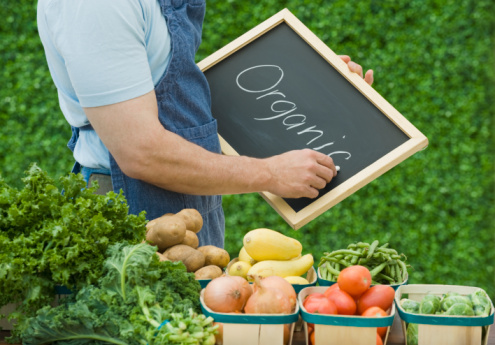
    Are Organic Foods Safer and More Nutritious?


    Once found only in health food stores, organic food is now a regular feature at most supermarkets. How do you chose between a conventionally grown apple and an organic one? Both apples are firm, shiny and red. Both provide vitamins and fiber, and both are free of fat, sodium and cholesterol. one common concern with organic food is cost. Organic foods typically cost more than do their conventional counterparts. Higher prices are due, in part, to more expensive farming practices. (By Mayo Clinic staff)


    Here are some facts you need to know before you shop.
    Conventional vs. Organic farming
    "Organic" refers to the way farmers grow and process agricultural products, such as fruits, vegetables, grains, dairy products and meat. Encouraging soil and water conservation and reducing pollution are the main aim of organic farming practices. Farmers who grow organic produce conduct more sophisticated crop rotations and spread mulch (a protective cover placed over the soil to retain moisture, reduce erosion, provide nutrients, and suppress weed growth and seed germination)  or manure to keep weeds at bay rather than using chemical weedkillers.
    The main differences between conventional farming and organic farming:
    Conventional
    Organic
    Apply chemical fertilizers to promote plant growth.
    Apply natural fertilizers, such as manure or compost, to feed soil and plants.
    Spray insecticides to reduce pests and disease.
    Use beneficial insects and birds, mating disruption or traps to reduce pests and disease.
    Use herbicides to manage weeds.
    Rotate crops, till, hand weed or mulch to manage weeds.
    Give animals antibiotics, growth hormones and medications to prevent disease and spur growth.
    Give animals organic feed and allow them access to the outdoors. Use preventive measures — such as rotational grazing, a balanced diet and clean housing — to help minimize disease.

    Conventional farming


    Use of pesticides in conventional farming
    Organic Farming

    Organic methods to plant seeds


     The Label
    If a product carries a USDA Organic label, it means it's produced and processed according to the USDA standards. The seal is voluntary, but many organic producers use it. The U.S. Department of Agriculture (USDA) has established an organic certification               program that requires all organic foods to meet strict                     government standards.
    1. 100% Organic: products must be either completely organic or made entirely of organic ingredients
    2. Organic: products must be at least 95% organic.

    3. Products that contain at least 70% organic ingredients may say "made with organic ingredients" on the label but may not use the seal.

    4. Products containing less than 70% organic ingredients can't use the seal or the word "organic" on their product labels.

    Organic Foods in Lebanon
    LibanCert is the first Lebanese organic inspection and certification body. In December 2011 it was added to a list of European Union approved certification bodies worldwide, in turn this allows certified producers of organic crops to export their products to the EU without an export certificate as of July 1, 2012 (Daily Star, January 2012). There are a number of operators who are organic certified organic farmers in Lebanon; more than 130. Organic products in Lebanon (mainly found at The Farmer's Market in Hamra and Beirut Health Store Ashrafiyeh i.e. Beit El Soha): 


    1. Bechly Green (they offer a small range of seasonal organic fruits and vegetables)
    2. Zeitounati (a Sidon based company that sells organic, but not yet certified, olives and extra virgin olive oil)
    3. Biomass can be found in Spinneys (a Lebanese family-owned company selling organic produce)
    4. Healthy Basket (a project started in 2001 by the American University of Beirut to improve rural farmers' livelihoods in exchange of putting healthier, environmentally friendly food on the market)
    5. Campagnia (they offer organic eggs and dairy products)
    6. Shuman Farms chickens (products of the Lebanese Poultry Company which are "free of antibiotics and chemicals"; the chickens are raised on a diet of mainly grains - corn and soy - and some vitamins. The company has not yet considered organic certification)  
    There are other places where organic foods can be found, weather locally or exported, such as: Live Organic (Mtaylib), New Earth (Ashrafiyeh), Spineys, TSC and other big supermarkets.


    Do Organic and Natural Mean the Same Thing?


    "Natural" and "Organic" are NOT interchangeable terms. You may see "natural" and other terms such as "all natural," "free-range" or "hormone-free" on food labels. These descriptions must be truthful, but don't confuse them with the term "organic." Only foods that are grown and processed according to USDA organic standards can be labeled organic.


    Are Organic Foods More Nutritious? 
    Research in this area is ongoing and the answer isn't yet clear. A recent study examined the past 50 years' worth of scientific articles about the nutrient content of organic and conventional foods. The researchers concluded that organically and conventionally produced foods are comparable in their nutrient content.
    Organic fruits and vegetables aren't treated with waxes or preservatives, therefore they may spoil faster. Also, some organic produce may look less than perfect — odd shapes, varying colors or smaller sizes. However, organic foods must meet the same quality and safety standards as those of conventional foods. 

    What foods are worth buying organic?


    The "Dirty Dozen"

    Thursday, March 22, 2012

    The Power of Organic Apple Cider Vinegar

                              
    Cholesterol & heart disease: Pectin in the vinegar is a fiber which helps reduce bad cholesterol and helps in regulating blood pressure.  A 2006 study showed evidence that vinegar could lower cholesterol. However, the study was done in rats, so it's too early to know how it might work in people. Another study in rats found that vinegar could lower high blood pressure. A large observational study also found that people who ate oil and vinegar dressing on salads five to six times a week had lower rates of heart disease than people who didn't. However, it's far from clear that the vinegar was the reason.
    Maintains strong bones: This vinegar helps extract calcium from the fruits, vegetables and meat it is mixed with.
    Apple cider vinegar is loaded with potassium: Potassium deficiency causes a variety of conditions including hair loss, weak finger nails, brittle teeth, and sinusitis. The potassium in this vinegar also helps in eliminating toxic waste from the body.
    Anti-oxidant: The beta-carotene helps in countering damage caused by free radicals, helping one maintain firmer skin and a youthful appearance.
    Weight loss: Apple cider vinegar is good for those wanting to lose weight. It helps in breaking down fat which helps in natural weight reduction. White vinegar (and perhaps other types) might help people feel full. A 2005 study of 12 people found that those who ate a piece of bread along with small amounts of white vinegar felt fuller and more satisfied than those who just ate the bread.  
    Diabetes: The effect of vinegar on blood sugar levels is perhaps the best-researched and the most promising of apple cider vinegar's possible health benefits. Several studies have found that vinegar may help lower glucose levels. A 2007 study of 11 people with type 2 diabetes found that taking two tablespoons of apple cider vinegar before bed lowered glucose levels in the morning by 4%-6%.


    Please make sure that you use only the natural, organic variety of apple cider vinegar, the sparkling clear variety will 
    have practically no health benefits. The apple cider vinegar that contains all of the health benefits is not a clear liquid vinegar, but just the opposite. It is an  organic and unfiltered vinegar; it has got a brownish tinge to it. If you try looking through it, you will notice a tiny cobweb-like substance floating in it. This is known as "mother", and means just one thing. This apple cider vinegar is of good quality with all the nutrients and health giving properties intact. The pure vinegar is steamed to get the sparking clear vinegar that is available at the supermarket. This steaming process destroys almost all of the health giving nutrients.  


    Friday, March 16, 2012

    Tip of the day!

    Healthy, convenient and portable, smoothies are ideal fuel-on-the-go for breakfast, an afternoon snack or dessert. Smoothies provide important protein, vitamins and minerals from ingredients like tofu, low fat yogurt, low fat milk, fruits and vegetables. It's an all-in-one drink!
    Click here if you want to check out some healthy and easy recipes.

    Enjoy your weekend Cleansers!

    Sounds like a good idea ;P